

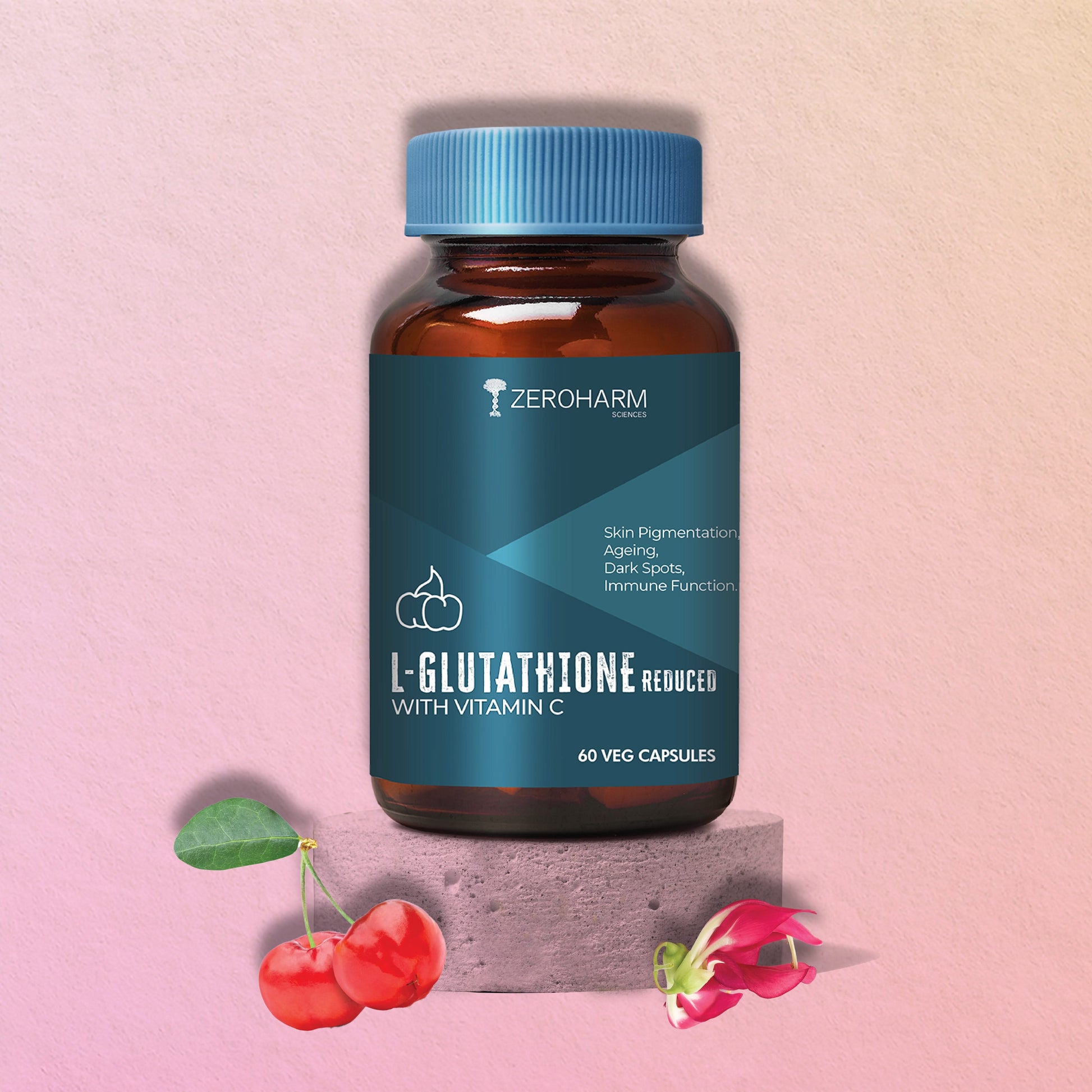
Ready for a natural health boost and radiant skin? Meet the dynamic duo: L-Glutathione and Vitamin C. This guide quickly explains how these antioxidants team up. They protect your cells, enhance collagen, and revitalize your body. ZeroHarm Sciences champions this powerful blend of nature and advanced science, aiming to "safeguard humanity from harm" by integrating these principles.
Key Highlights
- L-Glutathione and Vitamin C form a synergistic antioxidant duo that enhances skin health by neutralizing free radicals, reducing inflammation, and promoting collagen production for firmer, brighter skin.
- L-Glutathione, known as the master antioxidant, protects cells from oxidative damage, supports detoxification, and maintains cellular redox balance by regenerating other antioxidants including Vitamin C.
- Vitamin C is a vital water-soluble antioxidant that scavenges free radicals, supports immune function, and plays a key role in collagen synthesis and skin elasticity.
- Vitamin C helps regenerate oxidized glutathione back to its active form, extending the antioxidant lifespan and efficiency of both molecules for stronger cellular protection.
- The combined intake of L-Glutathione and Vitamin C, through diet or supplements, maximizes antioxidant benefits, slows aging signs, and promotes a radiant complexion.
Understanding L-Glutathione: The Master Antioxidant
L-glutathione is often called the master antioxidant. Why? It plays a vital role. It protects your cells from oxidative damage. This small molecule is made of three amino acids. These are glutamate, cysteine, and glycine.
Bottom line: It exists mainly in its active, reduced form (GSH). This form neutralizes harmful free radicals. It also helps regenerate other antioxidants. Yes, that includes Vitamin C. This is crucial for maintaining cellular health.
At a Glance: What is L-Glutathione?
- Master Antioxidant: Top defender against cell damage.
- Three Amino Acids: Glutamate, cysteine, glycine.
- Reduced Form (GSH): This is its active, potent state.
- Detox Power: Binds harmful substances for removal.
- Inflammation Control: Helps regulate inflammation.
Clinical Insight: The balance between reduced (GSH) and oxidized (GSSG) forms shows your body's oxidative stress level. This is a key marker of cellular health.
The Role of Vitamin C in Antioxidant Defense and Health
Vitamin C is a powerhouse nutrient. It's a crucial water-soluble antioxidant. It actively protects your cells from oxidative damage. It also strongly supports your immune function.
What you need to know: Vitamin C scavenges harmful free radicals. This reduces inflammation. It can lower the risk of chronic diseases. Think cardiovascular conditions and certain cancers. Beyond neutralizing oxidative stress, Vitamin C regenerates other antioxidants. This includes glutathione. It boosts your body's overall defense system.
At a Glance: Key Benefits of Vitamin C
- Neutralizes free radicals.
- Regenerates antioxidants like glutathione.
- Supports collagen production.
- Enhances immune cell function.
Beyond Antioxidants: Vitamin C is vital for collagen synthesis. This keeps your skin elastic. It also helps wounds heal. For maximum benefits, eat Vitamin C-rich foods daily. Citrus fruits, berries, and leafy greens are great. Pairing it with iron-rich foods helps iron absorption. This supports energy and immune health.
The Synergistic Relationship Between L-Glutathione and Vitamin C
Imagine a powerful team working in perfect sync. That's L-Glutathione and Vitamin C. They work together in a dynamic cycle. This enhances each other’s antioxidant effects. It provides much stronger cellular protection.
Here's the simple truth: Vitamin C helps regenerate oxidized glutathione. It converts it back to its active, reduced form (GSH). This maintains glutathione’s availability. It keeps it ready to neutralize free radicals. This recycling extends the antioxidant lifespan of both molecules. It truly boosts their efficiency.
At a Glance: The Power Partnership
- Continuous regeneration of antioxidants.
- Enhanced protection against oxidative damage.
- Improved skin health and anti-aging effects.
Clinical Insight: This synergy protects cells under stress. Think of skin cells exposed to UV damage. It reduces inflammation. It also promotes repair. For example, 500 mg/day of Vitamin C supplementation maintains blood levels of reduced glutathione. This significantly boosts overall antioxidant defenses.
How Vitamin C Regenerates Reduced Glutathione
This is where the magic happens. Vitamin C plays a crucial role. It regenerates reduced glutathione (GSH). This keeps glutathione's antioxidant power high in cells.
What you need to know: When glutathione neutralizes free radicals, it changes. It becomes oxidized (GSSG). In this form, it loses effectiveness. Vitamin C steps in. It donates electrons to oxidized glutathione. This converts it back to its active reduced form (GSH). This recycling process sustains glutathione’s ability. It allows it to keep protecting cells from oxidative stress.
The Recycling Loop
- Glutathione neutralizes free radicals.
- It becomes inactive (GSSG).
- Vitamin C provides electrons.
- Glutathione turns back into active (GSH).
- The cycle repeats for continuous protection.
Clinical Insight: This regeneration relies on enzymes like glutathione reductase. It also needs cofactors like NADPH. This ensures a continuous supply of GSH. Supplementing with Vitamin C (around 500 mg daily) helps maintain healthy blood levels of reduced glutathione. This truly enhances overall antioxidant defense.
Bottom line: This process prolongs glutathione’s antioxidant activity. It supports cellular detoxification. It helps reduce oxidative damage. This damage is linked to aging and disease.
Health and Skin Benefits of Combining L-Glutathione and Vitamin C
When L-Glutathione and Vitamin C join forces, the benefits multiply. You get enhanced benefits for both skin health and overall wellness. This powerful duo reduces oxidative stress. It also promotes cellular repair.
Radiant Skin, Naturally:
- Even Skin Tone: Helps regulate melanin production. This leads to a more even skin tone. It diminishes dark spots. It does this without harsh bleaching effects.
- Firmness & Brightness: Vitamin C supports collagen synthesis. This improves skin firmness and brightness.
- Detox & Repair: Glutathione’s detoxifying action reduces inflammation. It also minimizes oxidative damage.
Beyond Skin Deep: Together, they protect skin from UV damage. They also accelerate healing. This includes conditions like psoriasis. Clinically, this combination shows promise. It can improve metabolic function. It also reduces oxidative stress linked to chronic diseases.
Anti-Aging and Collagen Support
Want to slow down the clock? L-Glutathione and Vitamin C provide powerful anti-aging benefits. They protect skin cells. They also significantly boost collagen production.
What you need to know:
- Vitamin C: Essential for collagen synthesis. This maintains skin firmness and elasticity. It helps reduce wrinkles and fine lines.
- Glutathione: Protects existing collagen. It shields it from oxidative damage. This damage comes from free radicals and environmental stressors.
This combination does more than slow visible aging signs. It also promotes skin repair and brightness. Regular intake can improve skin texture and resilience. Your complexion can look more youthful and radiant.
Pros & Cons: Anti-Aging Duo
| Feature | Pros | Cons |
|---|---|---|
| Collagen Support | Boosts synthesis, reduces wrinkles | Not a miracle cure; needs consistency |
| Oxidative Defense | Protects existing collagen from damage | Does not reverse all existing damage |
| Skin Radiance | Improves texture, promotes brightness | Results vary by individual and lifestyle |
Exploring Glutathione Supplement Forms: Capsules, Powder, and More
Choosing the right glutathione supplement form matters. It affects absorption and effectiveness. The most common forms include glutathione capsules, powders, liposomal softgels, and intravenous options.
At a Glance: Supplement Forms
| Form | Pros | Cons |
|---|---|---|
| Capsules | Easy to take, convenient | Moderate absorption, stomach acid risk |
| Powder | Flexible dosing, mixes easily | May degrade in stomach, precise dosing |
| Liposomal | Higher bioavailability, better absorption | Often more expensive |
| Intravenous | Direct delivery, very effective | Less accessible, clinical use only |
Bottom line: Capsules and powders are convenient. But stomach acid can degrade them. This reduces bioavailability. Liposomal glutathione is different. It's encapsulated in phospholipid layers. This protects it through digestion. It offers enhanced absorption. This makes it more effective for raising blood levels. When choosing, consider liposomal or acetylated forms. They offer better uptake, especially for skin health or detoxification.
ZeroHarm's Approach:
Companies like ZeroHarm Sciences focus on enhancing bioavailability. They use nanotechnology to convert nutrients into "ultra-small, nano-sized particles". These particles bypass stomach acids. They deliver nutrients directly into the bloodstream. This aims for faster absorption and higher bioavailability. Their nano-tablets are designed for controlled release. They dissolve at pH 6-7.5 in the duodenum. This is the ideal absorption site.
Practical Tips for Maximizing Antioxidant Benefits
Ready to get the most from your antioxidants? Timing, dosage, and consistency are key. Here are simple steps to enhance benefits.
Numbered Action Steps:
- Morning Dose: Take both supplements on an empty stomach in the morning. Ideally, 30 minutes before breakfast. This enhances absorption.
- Optimal Ratio: Aim for a 1:2 ratio. For example, 500 mg of L-glutathione paired with 1000 mg of Vitamin C daily.
- Stay Consistent: Consistent daily intake ensures steady antioxidant levels. This means optimal cellular protection.
- Evening Boost: Consider taking glutathione again before bedtime. This supports overnight repair.
- Choose Wisely: Use high-bioavailability forms like liposomal or sublingual glutathione. This improves effectiveness.
- Eat Your Greens: Pair these antioxidants with a diet rich in fruits and vegetables. This enhances their natural synergy and skin health support.
What you need to know: These simple habits can make a big difference. They help your body leverage the full power of these essential nutrients.
Safety Considerations and Potential Side Effects
L-Glutathione and Vitamin C are generally safe. This is true when taken at recommended doses. However, mild side effects can occur.
Common Reactions:
- Glutathione supplements: May cause gastrointestinal issues. Nausea, diarrhea, and abdominal cramps are possible. Some report headaches, fatigue, or skin rashes.
- Vitamin C: High doses might cause stomach upset or diarrhea.
Important Reminders:
- Start Low: Begin with lower doses. Gradually increase while monitoring your body’s response.
- Professional Advice: People with allergies, chronic illnesses, or those on medications must consult a healthcare provider before supplementing.
- Avoid Excess: Excessive Vitamin C intake may reduce glutathione’s effectiveness. It could also cause adverse effects.
ZeroHarm's Philosophy vs. Science:
ZeroHarm Sciences' brand name, "Zero Harm," and its promise of "no side effects" are central to its identity. However, the scientific field of nanotoxicology acknowledges "the potential for novel risks associated with nanomaterials". An analytical report on ZeroHarm notes that this absolute promise "is in direct tension with the scientific realities of nanotoxicology". While ZeroHarm claims its manufacturing process, including "aqueous extraction" and "seed-to-supplement", ensures safety, consumer feedback has included "adverse side effects" and "quality control failures".
Bottom line: Always prioritize safety. Informed use means understanding both the benefits and potential risks.
Conclusion: Harnessing the Power of L-Glutathione and Vitamin C for Better Health and Skin
Combining L-Glutathione and Vitamin C truly unlocks a potent antioxidant synergy. This powerful duo supports both overall health and radiant skin. They don't just neutralize harmful free radicals. They also regenerate each other. This sustains long-lasting cellular protection.
Together, they enhance collagen synthesis. They reduce inflammation. They also promote a brighter, more even complexion.
Your Action Plan for Optimal Benefits:
- Be Consistent: Aim for consistent daily intake.
- Target Dose: Consider 500 mg L-glutathione paired with 1,000 mg Vitamin C.
- Optimal Timing: Take them on an empty stomach. This ensures optimal absorption.
- Quality Matters: Choose high-bioavailability forms like liposomal glutathione. This further improves effectiveness.
This combination offers a safe, natural approach. It helps slow skin aging. It improves metabolic health. It also supports detoxification. By harnessing their combined power, you can boost your body’s defense system. Enjoy healthier, more youthful skin and a stronger body. Think of them as your body's personal shield and rejuvenating elixir, working tirelessly to keep you feeling and looking your best.


 Whatsapp us